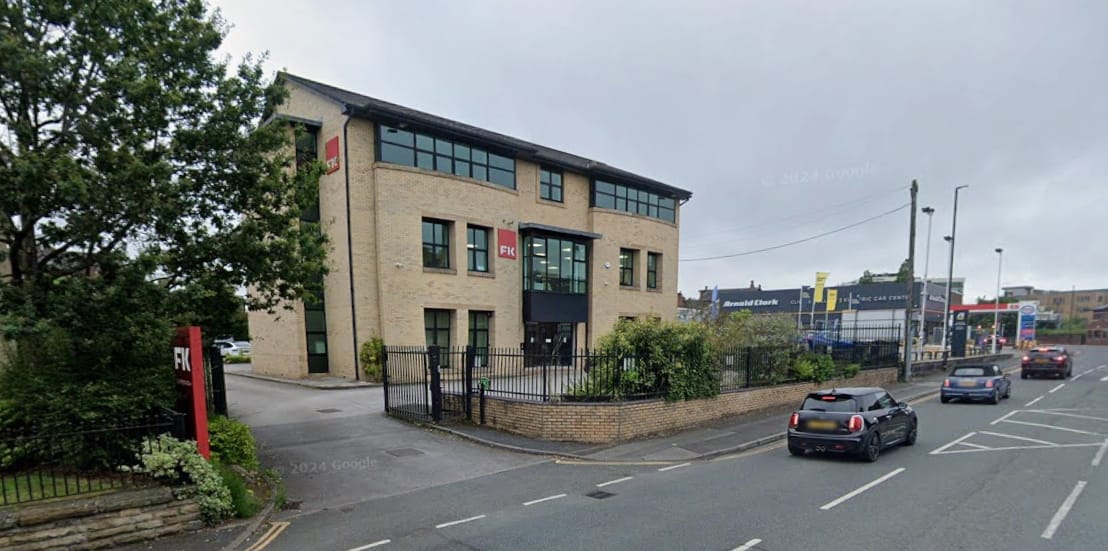
A Timperley entrepreneur who remortgaged his house and ended up on Universal Credit during lockdown has turned his fortunes around spectacularly, building a business that has now sold over £1 million worth of specialist SIM cards.
Graham Robinson, 44, founded Key Sim in 2019 after spotting a gap in the market for SIM cards that connect to all four major UK networks - Vodafone, O2, EE and Three - providing superior coverage for businesses with critical connectivity needs.
But what should have been an exciting new venture quickly became a nightmare when COVID-19 lockdowns began just seven months after launch, preventing the Altrincham-based company from trading for nearly two years.
"I quit my job of 22 years, remortgaged my house, and thought I was going to use that money to get this new business off the ground," Robinson said. "Then the lockdowns started and for two years we couldn't sell anything to anybody."
The situation became desperate. Robinson fell through the cracks of government support – ineligible for furlough because he wasn't employed, and unable to access self-employment support. Despite being eligible for a £10,000 business rates grant from Trafford Council, he missed the deadline and was refused the funding.
"I was hospitalised from stress-induced injuries," Robinson remembered. "I had to take out a bridge loan on my house - essentially a high-interest loan where after 18 months you have to pay back £80-85k or they repossess everything. I had 18 months to try and get it off the ground."
With his home on the line, Robinson threw everything into social media marketing, posting demonstration videos daily until midnight and connecting with IT managers on LinkedIn. The relentless effort paid off as customers began recognising the value of Key Sim's multi-network technology.
"When you've got a SIM card that connects to all networks - Vodafone, O2, EE and Three - it's very rare that there's no signal," Robinson added. "We've created the best version of the multi-network SIM card, including the world's first network steerer where customers can remotely choose which network their SIM connects to."
Today, Key Sim serves over 500 business customers with nearly 10,000 connected SIM cards in operation. The company has attracted high-profile clients including high street retailer FatFace and North Wales Mountain Rescue, with applications ranging from CCTV systems to payment processing and tracking devices.
Robinson's innovation stems from his previous experience working for 22 years at a local security company in Timperley, where he witnessed firsthand the problems caused by unreliable connectivity for critical safety systems.
"We had threat-to-life systems out there and we'd find that none of them were working because the SIM cards had gone down," he said. "There was one incident where SIM cards went down on Friday, there was an attempted murder on Saturday, and we were caught up in the crossfire because there was no signal."

The business model focuses on pay-as-you-go services, with monthly subscription fees between £1-3 and data charged per megabyte. While the data costs are higher than standard SIM cards at around £3 per gigabyte, they're designed for critical applications rather than heavy data use.
Key Sim employs just four people including Robinson and his technical co-founder, plus two part-time staff including someone dedicated to dispatching the 500+ SIM cards they now send out weekly.
Robinson has deliberately chosen to grow organically rather than seek investment.
"We're making as much money or more than we need every month," he said. "We don’t need any outside help to get us to where we want to get."
Looking ahead, Robinson's immediate goal is to double from 10,000 to 20,000 connected SIM cards over the next year.
Given the comeback story he has already lived out from his kitchen in Timperley, few would back against him hitting that target.
Key Sim is based in Timperley and provides multi-network SIM card solutions to businesses requiring reliable connectivity. More information is available at keysim.co.uk.