With rosé season approaching, wine expert Kelly Bishop shares three of her favourite pink wines to enjoy as the weather finally starts to warm up.
Finally, we're starting to see the back of months of freezing cold weather, which means rosé season is almost upon us. I've never been a huge rosé girl, but when you taste as much wine as I do (professionally, of course!), you will find examples to love.
When I talk about rosé on my wine tours, I find that most people don't know how it's made. Did you know white wine can be made from black grapes? This is because when we ferment the juice for white wine, we don't usually involve the skins, and they're the thing that gives wine its colour.
When we make red wine, we ferment on the skins and, a bit like making a brew, the colour and bitter tannins are stewed out. As a rule, the longer you ferment, and the thicker and more pigmented the grape skins are, the more intensely coloured the wine will be. I like a builder's brew, and a heavily extracted red wine often suits me too.
An Italian man taught me that rosé is a one-night stand wine. No, not because drinking too much of it leads to regrettable life choices, but because the skin contact is very brief.
Most rosés spend less than 24 hours with the skins, and then never see them again. Sometimes this is pre-fermentation, where the skins are left to macerate in the juice, and a little of their red colour seeps out like a red sock in a white wash. Sometimes there is a short fermentation, giving more pigment. Either way, the encounter is brief.
Here are some of my favourite one-night stand - I mean rosé - wines:
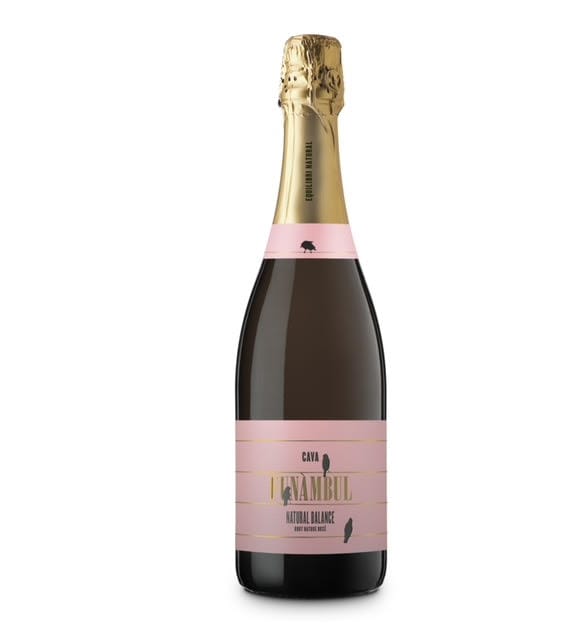
Entre Vinyes Rosé Funambul, £24 (Kerb)
Some traditional wine drinkers get anxious about 'natural wine'. The genre has been given a bad name by some poor examples, but I am a firm believer in the good stuff that bars like KERB can help you to find.
Entre Vinyes is run by Maria Barrena, who converted an old chicken coop and pigsty into a winery in Penedès, Catalonia, in 2012. If I showed you this rosé cava and didn't tell you it was natural, you would be none the wiser. It's bright, clean and fresh, with a big 'strawberries and cream' energy and a little bit of citrus and spice. It's made from a grape you probably know, Garnacha, and one you probably don't, a local variety called Trepat. I've met very few people who didn't love this.
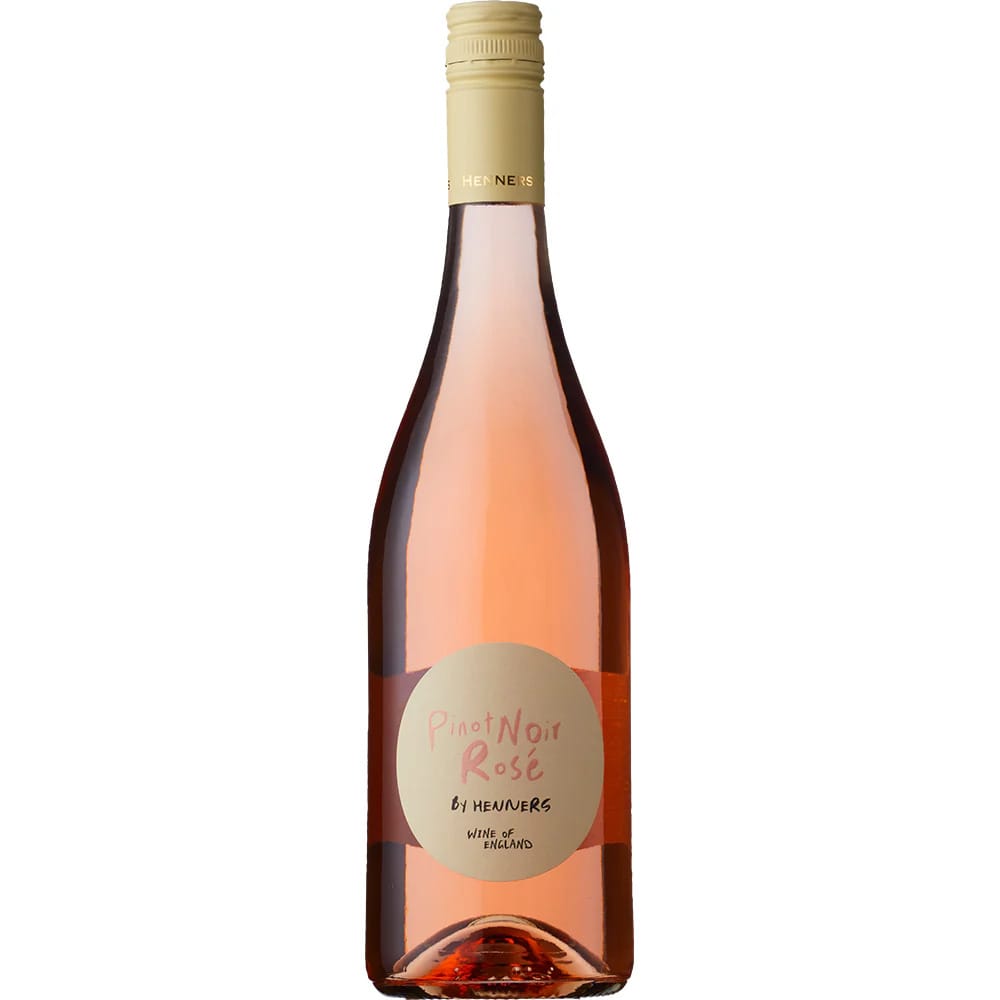
Henners Pinot Noir Rosé 2024, £21.50 (Reserve Wines)
Not to be confused with the popular Pinot Blush - made from Pinot Grigio grapes - this rosé is made from Pinot Noir and a smidge of Pinot Meunier, the same grapes that make up two-thirds of the Champagne blend. Pinot Noir is also the red grape of Burgundy, arguably the world's most prestigious wine region.
England is nipping at the heels of Champagne as a leading sparkling wine region, often utilising the same holy trinity of grapes. Pinot Noir is also good to grow here because it's one of the few red grapes that thrives best in cooler climates. Here, East Sussex winery Henners has made an elegant, pale-pink wine with a lovely floral note dancing over the raspberry and redcurrant twang. Henners' vineyard was created in 2007 by ex-Formula One engineer Lawrence Warr, but is now owned by Stockport-born wine distributor Boutinot. So, can we claim this wine as Mancunian?
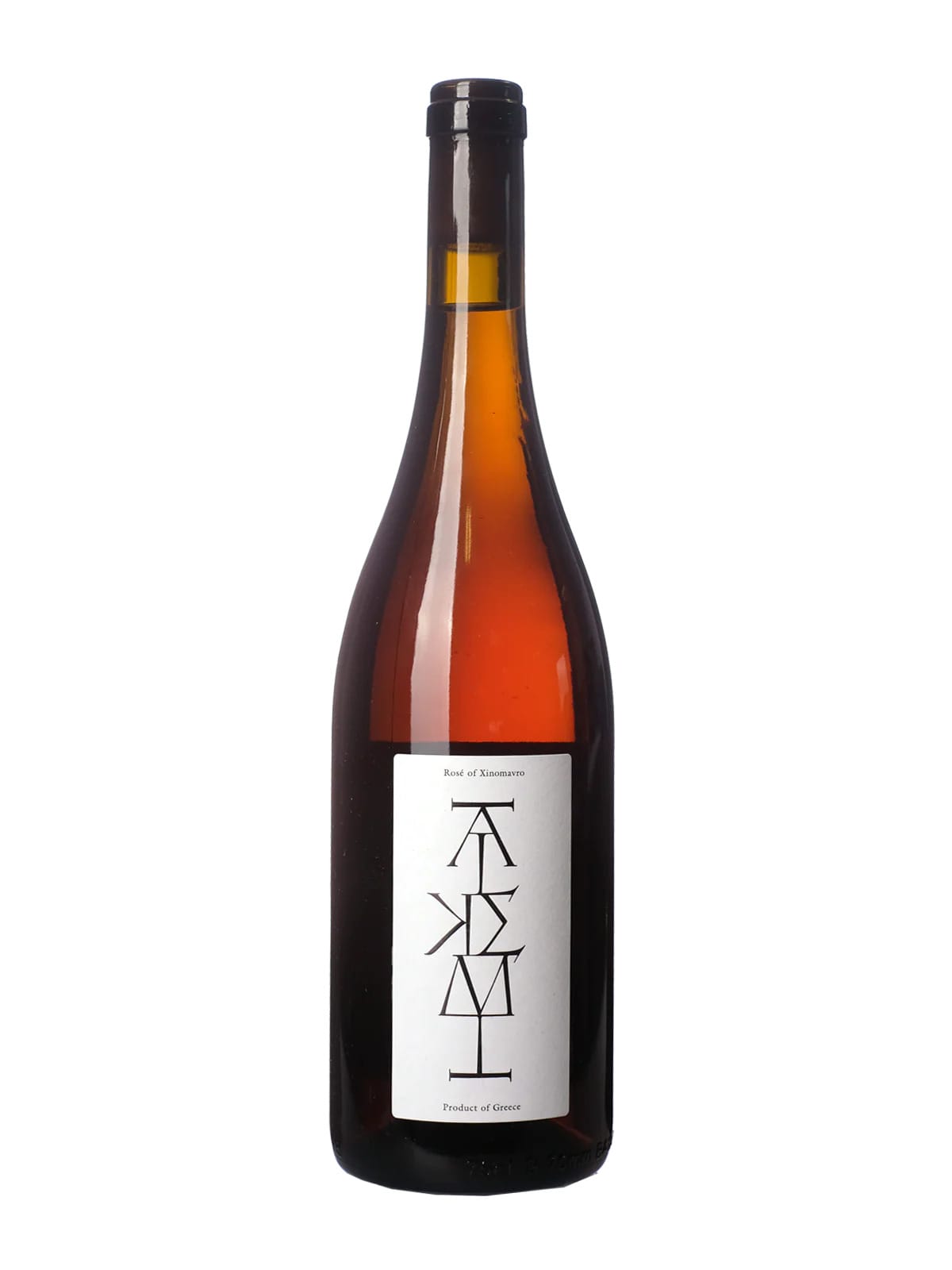
Markovitis Alkemi Rosé 2021, £25 (Ad Hoc Wine)
Another thing that's misunderstood about rosé is how colour impacts sweetness. Because of the popularity of bubblegum pink, migraine-sweet 'White Zinfandel', people assume paler rosés are dry and darker ones are sweet. That's not true. Many dark rosés are bone dry, and you're missing out big time if you avoid the more embarrassed-looking wines in the shop. A good rule for sweetness is to look at the ABV. If it's below 11%, there is a good chance it will be sweeter.
This deep coral pink wine is made from one of my favourite grapes at the moment, Xinomavro, a Greek grape most commonly seen in red wine. Alongside strawberry and cherry fruit, there is always a note of tomato with this grape. Here, it reminds me a bit of baked bean sauce. By that I mean there's an almost salty, savoury edge which makes this a super gastronomic win.
Kelly Bishop is a food and wine writer from Manchester and the owner of Manchester Wine Tours. For more information, visit manchesterwinetours.com or follow @manchesterwinetours on Instagram.