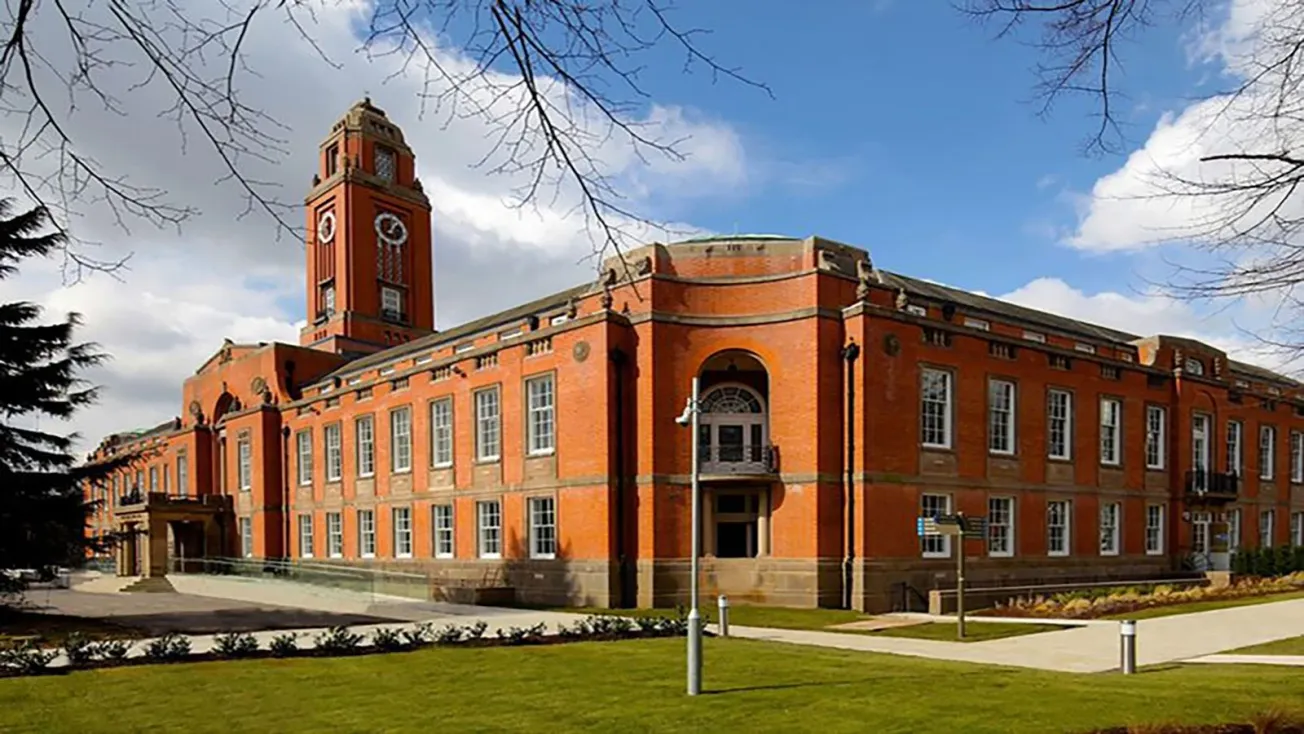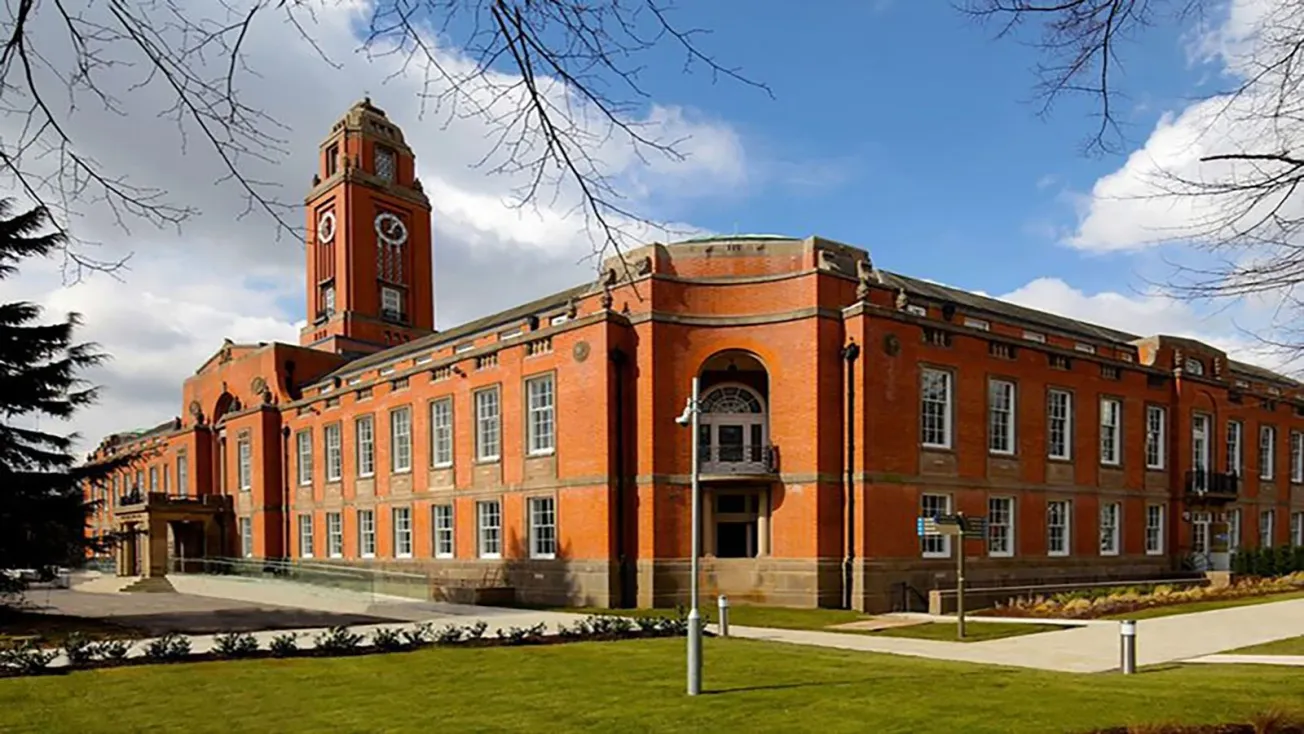
Local residents are being invited to have their say on a document that will determine how buildings, monuments, streets and landscapes across Altrincham and the wider Trafford borough are recognised and protected as local heritage assets.
Trafford Council is consulting on its draft Supplementary Planning Document (SPD 8), the rulebook that governs how the borough's List of Local Heritage Assets works in practice.
The six-week consultation runs until Tuesday 5th May and is open to anyone who cares about what Altrincham looks like.
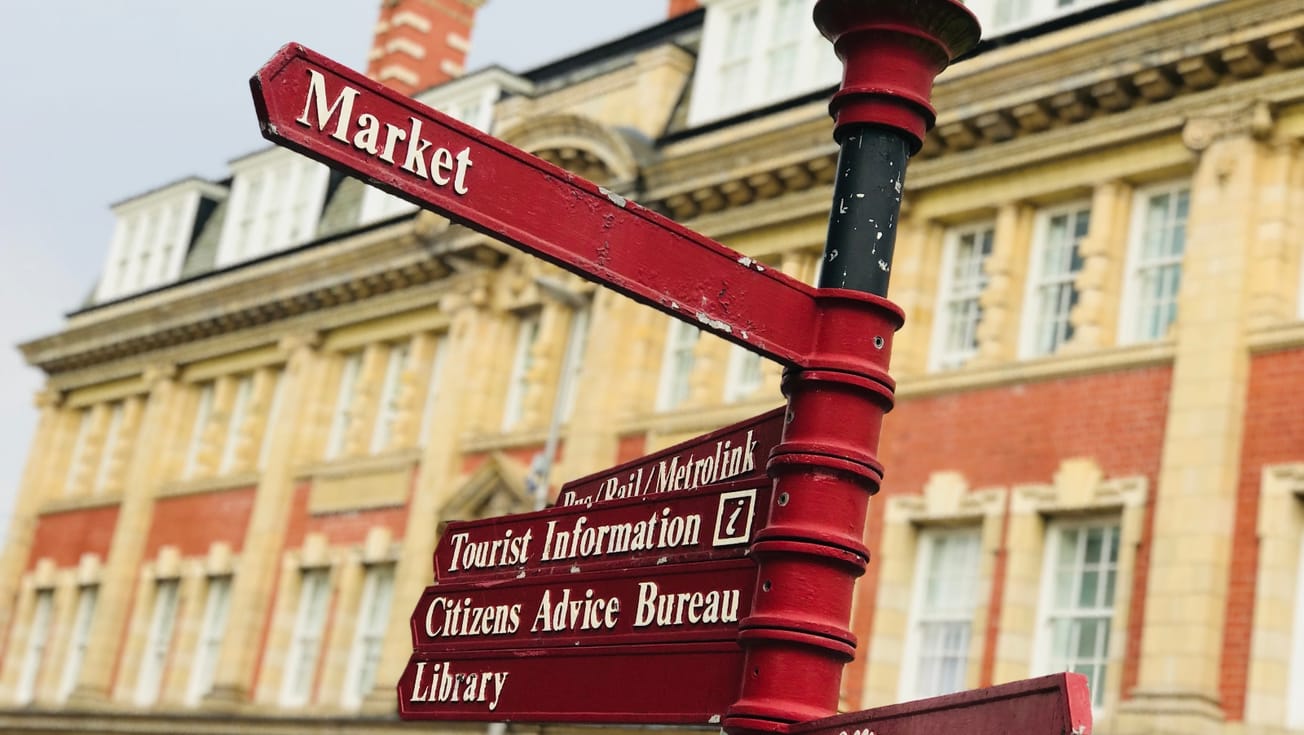
Altrincham has a richer heritage story than most Greater Manchester towns. It is the only medieval planned town in Trafford, with a market charter dating to 1290.
The Local List is one of the key tools councils use to make sure that character isn't quietly lost to unsympathetic development.
Assets on the list aren't statutorily protected in the way listed buildings are, but inclusion is a formal material consideration in any planning decision.
Altrincham's entries on the Local List span the full breadth of what the town has given to the region.
The Victorian and Edwardian villa suburbs that grew up around the railway - the Manchester South Junction and Altrincham Railway arrived in 1849, transforming the town - are among the most architecturally distinctive in Greater Manchester.
Their sandstone boundary walls, gauged brickwork, terracotta detailing and the pale Bowdon 'white brick' that gives the area around Bowdon and Hale its unmistakable character are all the kinds of features the Local List is designed to protect.
Some of those villas were designed by nationally significant architects including Edgar Wood, Charles Heathcote and John Douglas.
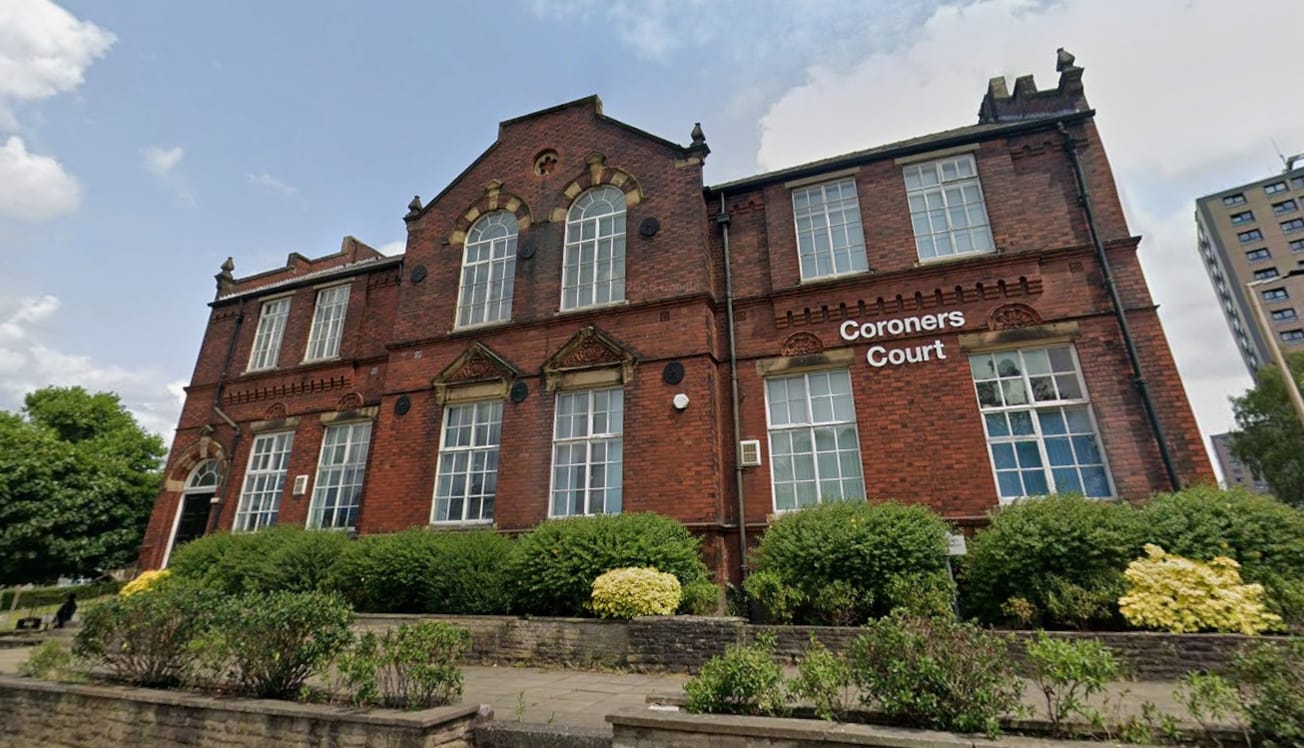
Beyond the grand Victorian streets, the list also recognises the more everyday fabric that gives Altrincham its identity - historic shopfronts in the town centre, public houses and civic buildings.
What the consultation is deciding
The document being consulted on isn't the list itself - the Council's Executive approved the content of the Local List in March 2026, following a public consultation carried out in 2025.
What residents are now being asked about is the SPD: the set of rules that governs how assets get added to or removed from the list, what criteria they must meet, and how planning decisions involving them should be approached.
Those criteria include a building's age and historic integrity, its architectural and aesthetic interest, its social or communal value, its rarity, and whether it functions as a local landmark.
Crucially, an asset must meet at least two of the criteria to qualify.
The document also sets out guidance on what owners of listed assets can and cannot do without triggering a heritage assessment.
Cllr Liz Patel, Trafford Council's Executive Member for Economy and Regeneration, said the document was central to how the borough's planning policies were put into practice.
"When making a decision on a planning application, an SPD is taken into account as an important consideration. We want as many people as possible to take part in this consultation which is an important step in how we protect and manage our heritage assets."
How to take part
The consultation runs until Tuesday 5 May 2026. Residents can complete the survey at trafford.citizenspace.com/place/local-heritage-assets-spd or email comments directly to Local.List@trafford.gov.uk.