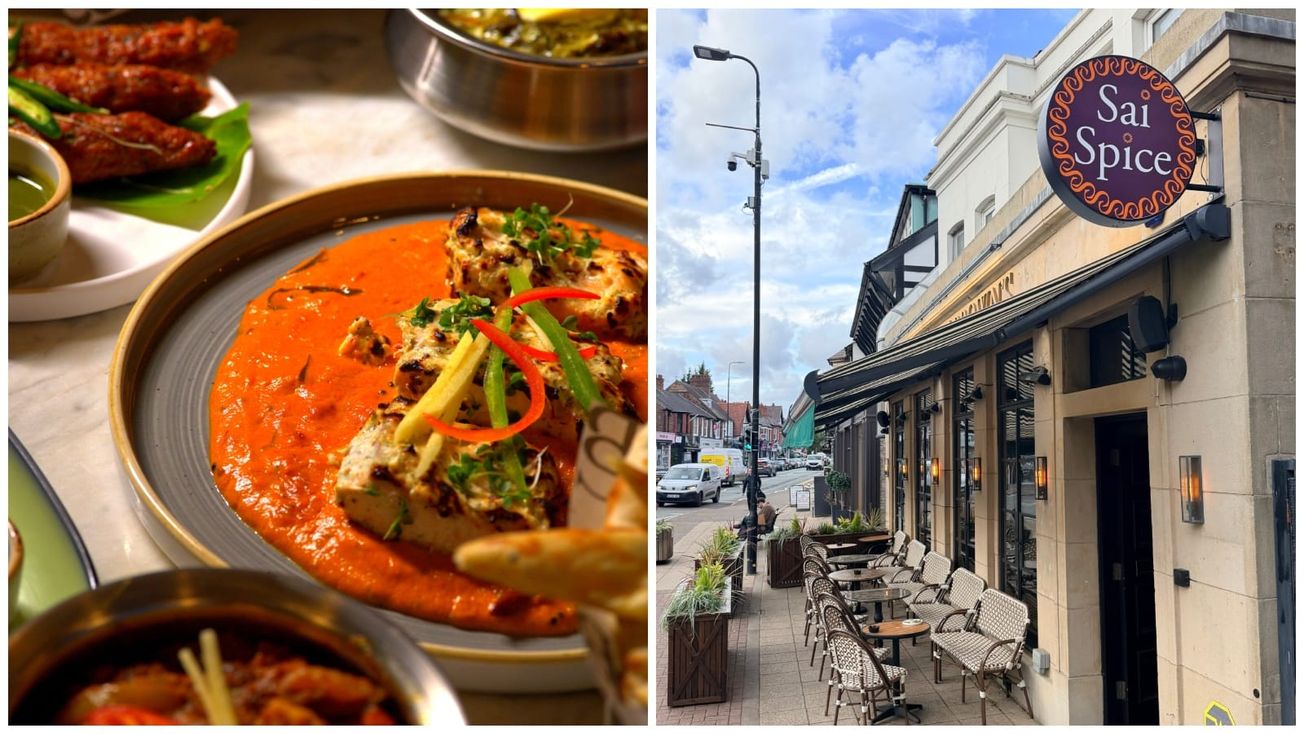
Our wine columnist Kelly Bishop, from Manchester Wine Tours, is flying the flag for orange wine – and she has three very different bottles to prove it deserves a place on your shelf
Not orange wine! Yes, I'm afraid it's time. Orange wine is now available in almost every supermarket, and that means it is no longer underground.
I know a lot of people are sceptical about this most misunderstood of wine categories. I've heard many an old-school wino scoff as if it's some newfangled, Gen Z gimmick invented ten years ago by someone with a beanie hat and a laptop in Ancoats.
But orange wine long predates Ancoats, Champagne and even Jesus. The first orange wines were most likely made in the birthplace of wine, Georgia, around 8,000 years ago, and were called amber wines.
Georgia still makes amber wine, although moving with the zeitgeist, some of theirs are now labelled orange. For the record, I prefer amber because it sounds nicer, but also because it clears up any confusion that orange wine is made from oranges. Generally, if wine is made with any fruit other than grapes (i.e. sloes, blackberries), that fruit's name comes before the word 'wine'. Orange wine is named for its colour only. No oranges have been harmed.
I see orange wines categorised as 'skin contact' more and more these days. This is less snappy but more technically correct, since orange wines are white wines fermented with their grape skins. In most white wines, the grapes are pressed for their juice and the skins are composted before the clear juice is fermented. With reds, the skins are left in while fermenting to extract all that lovely colour and tannin (a bit like making a brew). It makes sense that orange wine predates the white wine we know and love, as taking the skins out of the equation would have been a human intervention that happened later down the line.
As Socrates (probably) said, 'not all orange wine is natural and not all natural wine is orange', but on the Venn diagram of the two, there is substantial crossover. If you have only ever tasted natural orange wine, it might be worth giving the less funky oranges a whirl. Orange wine can also be made from any white grape, and the amount of time on the skins varies, so there are many types to try. These wines also go really well with all kinds of food.
Here are some orange wines I recommend:
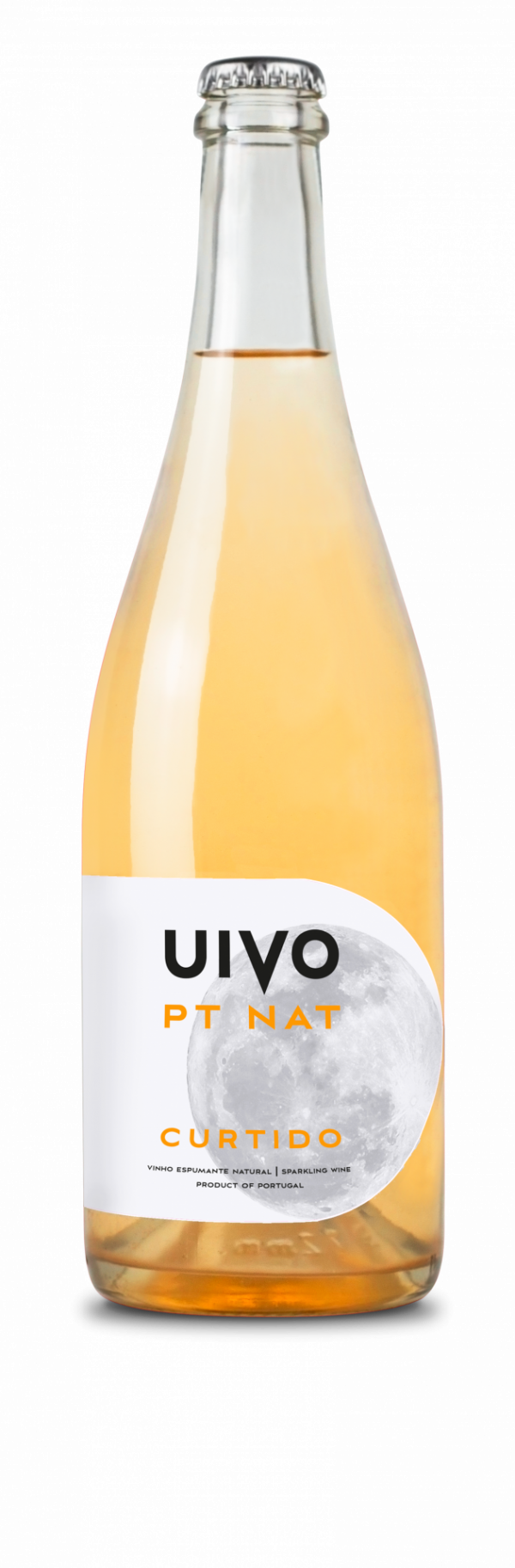
Folias de Baco Uivo Pet Nat Curtido, £27 (kerb.wine)
Pet Nat is short for pétillant naturel, which loosely translates as 'natural fizz' in French. It's also known as the ancestral method – the OG sparkling wine that happened by accident. One day, some thirsty winemakers bottled their wine too hastily before it had finished fermenting. Once bottled, the fermentation continued, and the CO2 gas – a by-product of fermentation that normally wafts out of open-top vessels – had no escape route. Cue loads of exploding bottles and some very sad winemakers. Luckily, someone decided to try the fizzy wine and thought it was delicious, so they developed stronger vessels and caps and intentionally bottled their wine mid-fermentation. Pet Nat tends to create a gentler fizz with lower ABV, and often a yeasty sediment in the bottle, bringing a rich texture but also a cloudy appearance. Add skin contact to the mix, and you get this vivid orange Pet Nat from the excellent Folias de Baco in Portugal. This one is made from Muscat, which you may know from floral dessert wines or Italy's sweet, fizzy Moscato. Here it is dry but retains that perfumed character alongside peach, baked apple and grapefruit zest. At 11%, it's a perfect party starter to ease you into your afternoon BBQ.
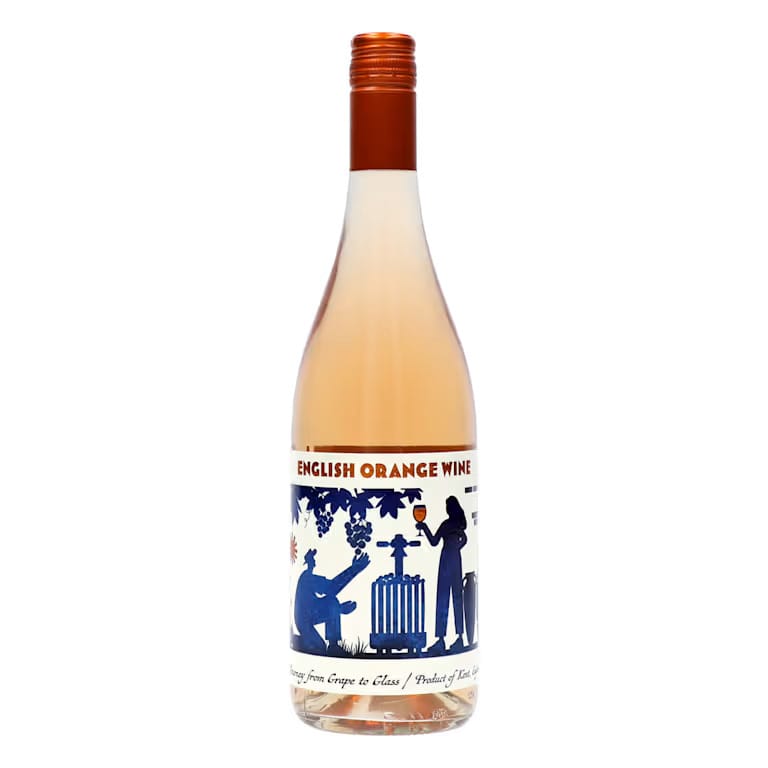
English Amphora Orange, £15 Marks & Spencer
I'm so evangelical about the rise of English wine that I had to include this supermarket-first English orange from M&S. It's made from a blend of Pinot Gris, Chardonnay and Ortega – an aromatic German hybrid – and fermented in part in traditional Georgian-style amphorae. It's light and zesty but with a bit of spiciness, like a lightly steeped lemon and ginger tea. This is a wine that will gently ease you into the cult of orange, not scare you off like some of the more adventurous options. Orange wine for, well, people who shop at M&S.
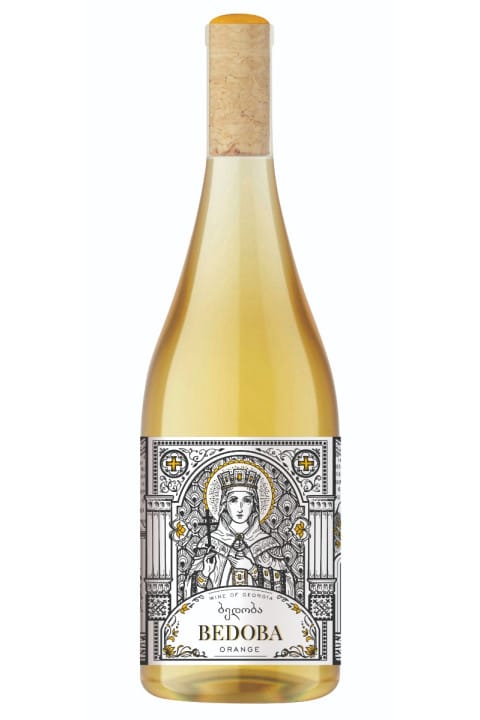
Bedoba Orange, £23.50 (ad-hoc.uk)
One step up from the M&S orange in both flavour intensity and hue, this wine comes from the OG wine country, Georgia, and is made from indigenous grape varieties Kisi and Rkatsiteli. Its fruity notes lean towards dried fruit – think dried apricot and candied orange peel – and there is a pretty, jasmine-like aroma, as well as a honeyed, buttery, almost beeswax texture. If you're shallow like me, you might be sold on the beautiful label alone. This bottle would make a lovely gift for an adventurous wine lover.
Kelly Bishop is a food and wine writer from Manchester and the owner of Manchester Wine Tours. For more information, visit manchesterwinetours.com or follow @manchesterwinetours on Instagram.